Wedding flowers in Gidea Park Romford venues local guide
Posted on 16/10/2026
Planning wedding flowers in Gidea Park and Romford venues sounds simple at first. Then the details start arriving: ceremony timings, table sizes, venue rules, colour palettes, late-night deliveries, boutonnieres, buttonholes, and the small worry that the bouquets may look perfect in the shop but feel completely wrong under warm reception lights. If that sounds familiar, you are in the right place. This Wedding flowers in Gidea Park Romford venues local guide is here to make the whole process calmer, clearer, and a lot more practical.
Whether you are getting married in a local hotel, a community venue, a church hall, or a more intimate reception space, the right flowers do more than look pretty. They tie the whole day together. They make the room feel intentional. They help the photographs sing a bit. And in a place like Gidea Park and wider Romford, where venues can vary quite a lot in layout and light, local knowledge really does matter.
Below, you will find a grounded guide to choosing, planning, ordering, and timing your wedding florals so they suit the venue, the season, the budget, and the mood you want to create. Nothing fluffy. Just useful advice, with a few local realities mixed in.
Expert summary: the best wedding flowers for Gidea Park Romford venues are the ones that match the room, the season, and the schedule. Keep the design simple enough to travel well, book early, and always ask how the arrangements will look in the actual venue lighting-not just in daylight on a worktop.
- What this guide covers: venue fit, flower styles, timing, costs, and common mistakes
- Who it helps: couples, planners, and anyone choosing local wedding florals
- Why it matters: better flowers, fewer surprises, smoother delivery
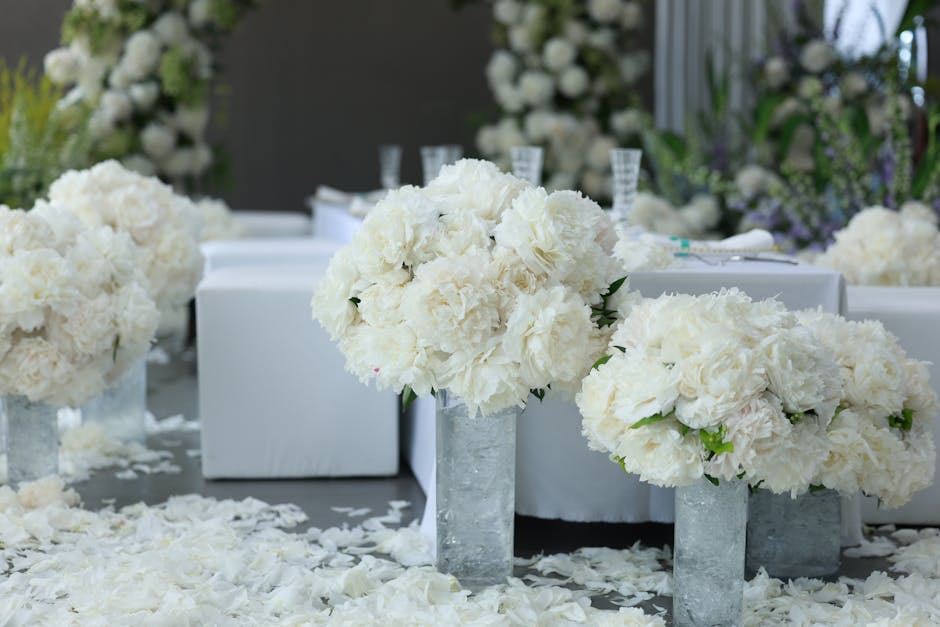
Table of Contents
- Why wedding flowers in Gidea Park Romford venues matter
- How local wedding flower planning works
- Key benefits and practical advantages
- Who this is for and when it makes sense
- Step-by-step guidance
- Expert tips for better results
- Common mistakes to avoid
- Tools, resources and recommendations
- Law, compliance, standards, or best practice
- Options, methods, and comparison table
- Case study or real-world example
- Practical checklist
- Conclusion
- Frequently asked questions
Why Wedding flowers in Gidea Park Romford venues local guide Matters
Wedding flowers are never just decoration. In local venues, they shape the atmosphere from the moment guests walk in. A slim aisle arrangement can make a small room feel elegant rather than cramped. A well-sized top table piece can lift a simple reception space without blocking conversation. And a bouquet that suits the bride's dress, height, and style can make the whole day look more cohesive in photos.
Gidea Park and Romford venues often include a mix of heritage buildings, modern function rooms, restaurants with private dining areas, and church settings. That variety matters. A tall statement arrangement that looks brilliant in a large hall can overwhelm a smaller room. Equally, something too tiny can disappear in a space with high ceilings or long banqueting tables. You do not want your flowers to quietly vanish into the background, do you?
Local planning also helps with logistics. Traffic, parking, access times, and unloading points can all affect delivery. A florist who understands the area is more likely to think ahead about those little things. To be fair, those little things are often the difference between a relaxed setup and a slightly panicked one at 9:15 on the wedding morning.
And there is the seasonal side too. Flowers are living materials. Some are better value and better quality at certain times of year. Choosing locally available flowers can mean better stems, stronger petals, and less stress over substitutions. Nobody wants a bridal bouquet built on hope alone.
How Wedding flowers in Gidea Park Romford venues local guide Works
At a practical level, wedding flower planning starts with the venue and works backwards. That may sound obvious, but many couples start with a Pinterest board and only later discover the venue has narrow tables, low lighting, or a strict policy on candles and hanging decor. The better approach is simple: understand the room first, then design the flowers to suit it.
Here is the usual process in plain English:
- Look at the venue layout. Think about ceremony space, aisle width, table shape, ceiling height, and any existing features worth working with.
- Set the floral priorities. Decide what matters most: bridal bouquet, bridesmaids, buttonholes, ceremony flowers, table arrangements, or all of the above.
- Choose a style direction. Classic white, soft romantic, garden-style, modern minimal, or bold colour? This will shape everything else.
- Match the flowers to the season. Seasonal flowers usually offer better value and a fresher result.
- Confirm the delivery and setup plan. Especially important if your ceremony and reception are in different places.
- Review substitutions in advance. Good florists will tell you what may change if a bloom is unavailable.
If you are ordering from a local florist, it also helps to browse relevant wedding collections and bouquet styles before the conversation begins. For example, the wedding-focused range at wedding collections can give you a sense of the overall look, while specific pieces such as a bridal bouquet design or a bridesmaid bouquet option can help you narrow the style quickly.
That matters because wedding flowers are not bought like everyday bouquets. They need to work as a set. One element can be beautiful on its own and still feel wrong in the room. The full picture matters more than any single stem.
Key Benefits and Practical Advantages
The most obvious benefit is visual: the venue looks polished and intentional. But there are a few more practical gains that couples tend to appreciate once the day is underway.
- Better flow through the venue. Flower placement can guide guests naturally from entrance to ceremony to reception.
- Stronger photographs. Florals create colour, texture, and softness in the background and foreground of your images.
- Clearer theme control. Your flowers help unify dresses, stationery, tableware, and room styling.
- Less guesswork on the day. A well-planned floral order reduces last-minute decisions.
- Local convenience. Delivery to a Romford-area venue is easier to coordinate when your florist knows the area.
There is also a subtle benefit that is easy to miss: flowers help guests feel the emotional tone of the day. A white and green scheme feels calm and classic. Blush and peach feels warm and celebratory. Deep reds or mixed jewel tones can feel richer and more dramatic. Your guests may not be able to explain why the room feels "right," but they will notice.
If budget matters, and let's face it, it usually does, flowers are also one of the easiest wedding elements to scale. You can keep the bridal bouquet luxurious and simplify the table arrangements. Or focus on the ceremony and entrance pieces, then use smaller touches for the reception. Smart planning, not overbuying, tends to give the best result.
Who This Is For and When It Makes Sense
This guide is for couples who want wedding flowers that suit the venue rather than fight it. If you are planning a wedding in Gidea Park, Romford, or nearby, and you want the florals to look elegant without becoming complicated, this is for you.
It is especially useful if you are:
- getting married in a venue with limited setup time
- using a smaller local hall or restaurant space
- planning a church ceremony followed by a reception elsewhere
- working to a fixed budget and need to prioritise wisely
- deciding between DIY, ready-made, or fully bespoke flowers
- looking for bouquets and arrangements that will hold up well through a long day
It also makes sense if you are not a flower expert and do not really want to become one. That is normal. Most couples just want to know what will look good, what will last, and what will not cause hassle. Fair enough.
A quick example: if your venue has a small entrance and tables that are already fairly dressed, you may not need big statement centrepieces. A carefully chosen bridal bouquet, buttonholes, a couple of ceremony pieces, and understated table flowers may do the job beautifully. On the other hand, if the room is plain and neutral, florals can carry more of the design load. Different room, different job.
Step-by-Step Guidance
Here is a practical route through the decision-making process. No drama, no fluff.
1. Start with the venue notes
Ask the venue what is allowed, what is not, and when access is available. Check table sizes, aisle width, any restrictions on confetti, candles, or attaching decor, and whether there are any load-in or parking limitations. These details sound boring until the wedding morning suddenly depends on them.
2. Decide the floral "must-haves"
Not every wedding needs the same set of flowers. A useful starting point is to separate essentials from nice-to-haves:
- Essentials: bridal bouquet, groom's buttonhole, key attendants' flowers
- Common add-ons: bridesmaid bouquets, table arrangements, ceremony pieces
- Optional extras: cake flowers, petals, corsages, gift flowers
If the budget is tight, protect the essentials first. Then add detail if there is room.
3. Match style to the venue
Classic venues often suit roses, lisianthus, hydrangeas, lilies, and structured arrangements. More contemporary spaces can take bolder shapes, mixed textures, and looser designs. If the room already has character, the flowers should complement it rather than compete. It is a balancing act, really.
4. Choose colours with the room in mind
White and ivory remain popular because they work in almost every venue and photograph cleanly. Pastels soften a darker room. Stronger colours can lift neutral decor. If your venue has warm walls or deep carpet tones, test your palette against that. A colour that looks gentle online can read much stronger in the room itself.
5. Confirm flower sizes and quantities
Ask for plain-language explanations. How wide is the bouquet likely to be? How tall will the table flowers stand? Will the arrangements leave enough sightline across the table? These questions help avoid surprises. Nobody wants to chat across a table of peonies and greenery like they are in a hedgerow.
6. Review delivery, set-up, and collection
Check whether the florist delivers direct to the venue, who takes responsibility for placing flowers, and whether any items need collecting afterwards. This matters most for larger weddings with multiple items. A good plan should feel calm and obvious on paper.
Expert Tips for Better Results
Here is the part where experience matters a bit more than inspiration boards.
Tip 1: Use one hero flower family and support it. A bouquet often looks stronger when it has a clear centre of gravity. Roses, for example, can be paired with lisianthus or alstroemeria without losing their identity. If everything shouts, nothing leads.
Tip 2: Think in photos, not just in person. A bouquet that looks beautiful from above may disappear in side-on shots. Ask how the arrangement will sit in the hand and in the frame. You will notice the difference later.
Tip 3: Keep the bridal bouquet practical. Yes, it should be beautiful. But it must also be comfortable to hold for a long time, especially if there is travel between ceremony and reception. Heavy bouquets are glamorous for about five minutes and then your wrist starts writing complaints.
Tip 4: Use seasonal substitution wisely. If a flower is not available, ask for a substitute with a similar shape, tone, and texture, not just a similar price. That simple question saves a lot of disappointment.
Tip 5: Let the venue do part of the work. If the room already has architectural detail, good lighting, or elegant furniture, you do not need to reinvent the whole scene with flowers. Sometimes less is more. Annoyingly, that is true.
Tip 6: Bring your other wedding details into the conversation. Dress fabric, table linens, suits, stationery, and even ceremony chair styles can all change how the flowers read. A slightly warm ivory can look lovely next to champagne tones but muddy next to bright white. Small thing, big effect.
Common Mistakes to Avoid
Most floral problems are avoidable. They usually come from rushing, not from bad taste.
- Ordering before checking the venue. Room size and rules should shape the design.
- Choosing flowers only from photos. Images can be misleading, especially with filtered lighting.
- Ignoring the season. Out-of-season blooms can be more expensive and less reliable.
- Overloading small spaces. Big arrangements in tight rooms can block views and feel cluttered.
- Forgetting transport and timing. Flowers need to arrive fresh and stay safe until use.
- Not confirming substitutions. If a flower is unavailable, you want to know what the replacement will be.
- Leaving the buttonholes until the last minute. They are small, but they still need checking and attaching properly.
Another mistake is assuming every part of the wedding needs to be equally floral. It does not. Sometimes the smartest choice is to make the bouquet the focal point and keep the rest measured. Your day still feels rich, just less crowded.
Tools, Resources and Recommendations
You do not need a box of specialist tools to plan wedding flowers well, but a few practical resources make the process much easier.
- Venue measurements: aisle width, table dimensions, doorway clearance, and available setup time
- Colour references: fabric swatches, dress photos, invitation designs, and a simple mood board
- Priority list: a written order of what matters most if you need to trim or scale the design
- Flower care instructions: useful if any items are picked up early or kept overnight
- Delivery schedule: one that shows arrival, placement, and contingency time
For inspiration and practical product browsing, you may want to look at the local wedding ranges and related floral categories available through pages such as bridal bouquet options, bridesmaid bouquets, buttonholes, and table arrangements. They are helpful for comparing styles before you settle on a final brief.
It can also be useful to compare broader bouquet styles with everyday ranges, because sometimes a couple falls in love with a tone or texture rather than a specific wedding design. In those cases, browsing pages like luxury flowers or best sellers can clarify what feels right.
If you need to check broader service details, the florist's pages on delivery, guarantees, and returns and refund policies are worth reading before you place an order. Not glamorous, I know. Still useful.
Law, Compliance, Standards, or Best Practice
Wedding flowers are not a heavily regulated purchase in the way some services are, but there are still sensible standards and best practices to keep in mind.
First, venue rules matter. Some venues have their own policies on deliveries, setup access, open flames, petals, hanging installations, and late collection. These are not legal fine print as such, but they are absolutely binding for your day. Ask early.
Second, allergen and fragrance sensitivity is worth considering. Strongly scented lilies or pollen-heavy flowers may not suit every guest or every indoor space. This is not a reason to avoid them entirely, only to think carefully if you have guests with sensitivities or a very enclosed venue.
Third, food areas and ceremony spaces may need practical care. Floral foam, water containers, loose foliage, and petals should be handled sensibly so floors remain tidy and safe. In a venue with narrow walkways, that is just common sense.
Fourth, sustainability choices are increasingly normal. Many couples now prefer reusable vessels, seasonal flowers, and less foam-based design. If sustainability matters to you, raise it early. It is easier to design with that in mind than to retrofit it later.
Fifth, written confirmation is best practice. Keep the agreed bouquet types, quantities, delivery time, venue address, contact person, and substitution policy in writing. A quick email summary can save a lot of "I thought we had said..." on the week of the wedding.
There is no need to overcomplicate compliance, but there is every reason to be organised. Weddings are emotional enough without guesswork.
Options, Methods, or Comparison Table
Different couples need different approaches. Here is a simple comparison to help you choose the right route for wedding flowers in Gidea Park Romford venues.
| Option | Best for | Strengths | Trade-offs |
|---|---|---|---|
| Bespoke florist design | Couples wanting a coordinated look tailored to venue and theme | Most flexible, strongest venue fit, polished finish | Usually the most time-consuming and potentially the most expensive |
| Collection from a wedding range | Couples who want a clear style with less planning complexity | Simple to choose, easier to compare, often efficient | Less customisation than a fully bespoke brief |
| Focused essentials only | Smaller weddings or tighter budgets | Keeps the most visible items strong, easier to manage | Less floral impact across the whole venue |
| Venue-led minimal styling | Rooms that already look good on their own | Elegant, practical, low-fuss | May not satisfy if you want a dramatic floral statement |
For many local weddings, the most effective solution sits somewhere between bespoke and streamlined. You get the key pieces right, avoid waste, and still create a beautiful look. Truth be told, that balance often feels better on the day too.
Case Study or Real-World Example
Here is a realistic example based on the sort of brief local couples often give.
A couple plans a late-morning ceremony in Gidea Park followed by a reception in a Romford venue with rectangular tables and a fairly neutral room. They want soft, romantic flowers but do not want the room to feel overdone. The bride likes white and blush tones, the groom wants something simple for buttonholes, and the couple are conscious of budget.
The florist's job is not just to "make it pretty." It is to solve the room.
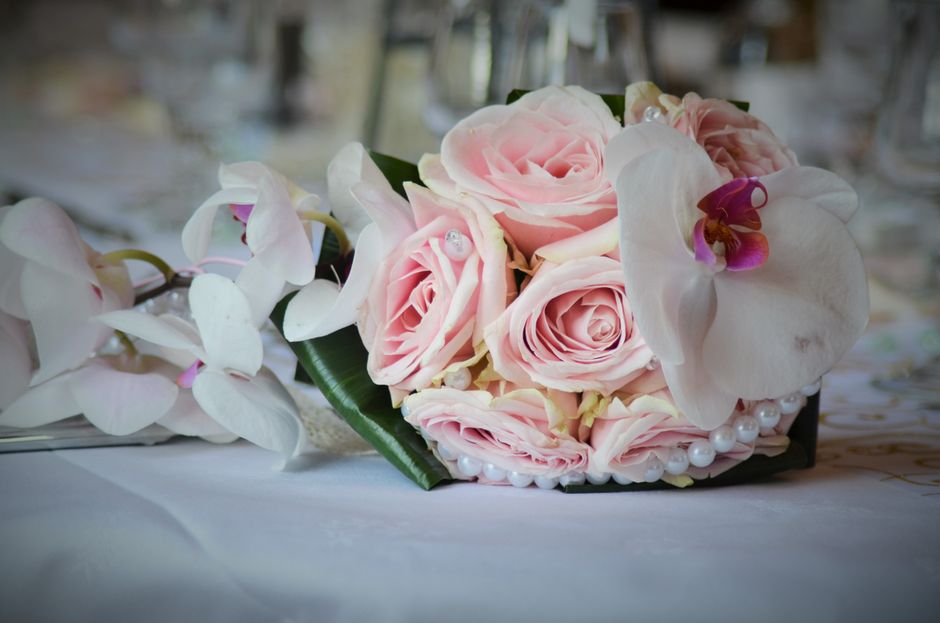
So the flowers are shaped around the venue rather than against it: a strong bridal bouquet with roses and supporting blooms, neat bridesmaid bouquets, matching groom buttonholes, and a limited number of table arrangements with enough height to lift the room without blocking views. A couple of better-placed pieces near the entrance and top table create a focal point, while the rest of the venue stays light and uncluttered.
The result is calm, cohesive, and easy to manage. Nothing is shouting. The flowers photograph beautifully because the colours sit well against the venue's neutral backdrop. And during the meal, guests can talk across the table without having to peer around a forest of stems. That, honestly, is a win.
What made it work was not extravagance. It was fit. Fit to room, fit to schedule, fit to budget.
Practical Checklist
Use this checklist before you finalise your wedding flowers.
- Have I confirmed the venue name, address, and setup access time?
- Do I know the table sizes, aisle width, and any floral restrictions?
- Have I chosen my key flower priorities?
- Does the style suit the venue rather than only the inspiration images?
- Have I checked seasonal availability?
- Do I know what substitutions may happen if a bloom is unavailable?
- Are bouquet sizes comfortable to carry?
- Have I planned delivery, placement, and collection?
- Have I matched colours with dresses, suits, and table styling?
- Have I included buttonholes and any other small but important pieces?
- Do I have written confirmation of the final order?
Quick reminder: if you are unsure whether to add more flowers or simplify, pause and look at the venue again. It is often the room, not the flower list, that gives you the answer.
Conclusion
Wedding flowers in Gidea Park and Romford venues work best when they are planned as part of the whole day, not as a last-minute add-on. Once you match the flowers to the room, the timing, and the season, everything becomes easier. The bouquets feel right in the hand, the reception feels more polished, and the photographs gain that soft, finished look couples usually want.
The smartest local approach is also the simplest: start with the venue, choose the flowers that genuinely suit it, and keep the design focused on the moments that matter most. That may sound a bit too straightforward, but honestly, it often is. And that is part of the appeal.
If you are still weighing up styles, browse the wedding ranges, compare bouquet shapes, and think in terms of atmosphere rather than just individual stems. The right flowers should make the day feel like yours from the very first glance. That little feeling when everything clicks? Worth it.
Get a free quote today and see how much you can save.
Frequently Asked Questions
What are the best wedding flowers for Gidea Park Romford venues?
The best flowers depend on the venue style, season, and colour scheme. Roses, lisianthus, hydrangeas, lilies, and mixed romantic bouquets are all popular because they work well in many local rooms and photograph nicely.
How far in advance should I book wedding flowers?
For a wedding, earlier is usually better. Many couples start planning several months ahead, especially if they want a specific style or seasonally popular blooms. If your date is close, it is still worth asking what can be arranged.
Can I use the same flowers for the ceremony and reception?
Yes, and that is often a smart way to stretch the budget. Ceremony pieces can sometimes be moved to the reception afterward, as long as the venue layout and timings allow it.
How do I choose flowers that suit my venue?
Look at the size, lighting, and style of the room first. Smaller or more intimate venues usually suit lighter, more compact designs, while larger rooms may need stronger statement arrangements.
Are seasonal flowers better for weddings?
Usually, yes. Seasonal flowers often look fresher, offer better value, and are easier to source consistently. They also tend to be more reliable on the day, which is always reassuring.
What wedding flowers are best if I want a classic look?
White roses, ivory tones, soft greenery, and elegant table pieces are common choices for a classic wedding look. They are timeless, clean, and easy to coordinate with most venues.
Do I need buttonholes and bridesmaid bouquets?
Not always, but many couples include them for a coordinated finish. Buttonholes are a practical touch for the wedding party, and bridesmaid bouquets help the overall look feel complete.
How much should I spend on wedding flowers?
There is no fixed amount that fits every wedding. A good budget depends on how many items you need, how custom the design is, and whether you want a full venue style or only the key pieces.
Can flowers be delivered directly to my Romford venue?
In many cases, yes. It is sensible to confirm the venue's access rules, delivery window, and where flowers should be placed once they arrive.
What if a flower I want is unavailable?
Good florists usually suggest a close substitute in shape, colour, or texture. This is normal and does not have to spoil the design, provided it is discussed in advance.
Should I choose a bespoke bouquet or a ready-made wedding collection?
If you want complete control and a design tailored to your venue, bespoke is often best. If you want something faster and simpler to compare, a wedding collection can be a practical choice. Both can work well.
How do I make wedding flowers look good in photos?
Choose clear shapes, colours that suit the venue backdrop, and designs that do not become too bulky or crowded. It also helps to tell your florist where the main photos will be taken, so the flowers support those key angles.
Wedding flowers should make the day feel calm, beautiful, and unmistakably yours. When they fit the venue properly, everything else tends to settle into place too.